The post Rosenshine’s Principles of Instruction appeared first on InnerDrive Dev1.
]]>Who is Barak Rosenshine?
Barack Rosenshine was an educational psychologist and professor of educational psychology at the College of Education at the University of Illinois. He originally began his career as a high school history teacher before gaining his PhD in Educational Psychology at Stanford University. Much of his research focused on distinguishing the characteristics of effective teaching by observing the relationship between teacher performance, direct tuition and student achievement.
Rosenshine’s theory combined his decades worth of research into cognitive science and classroom observation to enable teachers to develop a deeper understanding of:
- How to effectively implement classroom strategies;
- How to help students learn and remember new class material;
- How much support teachers should be giving their students.
Rosenshine’s Principles are a much-needed bridge between the research and the classroom.
From this, he originally proposed 17 principles which he perceived as being key to effective teaching and learning. In 2012, he narrowed this list down to 10 key principles to provide teachers with greater clarity.
Useful resources
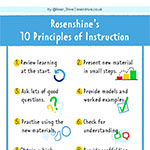
A brief guide to Rosenshine's Principles


Rosenshine's Principles on the Teacher CPD Academy

Watch Rosenshine talk about higher order thinking skills
First Principle of Instruction: Have a daily review
For his first principle, Rosenshine emphasised the importance of beginning a lesson with a review of previous learning. By dedicating a short amount of time to review and evaluate previous learning, students should be able to make links between topics and have a stronger understanding of lesson content. In turn, students will perform better academically. Rosenshine proposed that teachers allocate 5-8 minutes of a lesson towards a daily review.
The research behind it
Research shows that students who regularly practise retrieval are more likely to remember lesson material better, even in stressful environments. Despite its effectiveness at transferring information to the long-term memory store, one study found that students did not understand the benefits of Retrieval Practice on memory. Rather, the students stated that practising retrieval allowed them to generate feedback or knowledge about the status of their learning.
Dedicating 5 minutes per lesson to retrieval practice can give your students’ learning a great boost.
Applying this principle to your classroom
Use pair work
Using pair work allows students to test and develop a greater understanding of each other’s opinion and knowledge on a topic. This can be beneficial as it allows students to develop different perspectives on how to approach complex tasks. Research shows that pair work is a great way to promote cognitive restructuring and enhance emotional, social and academic learning.
Use multiple-choice quizzes
Multiple-choice quizzes are a great way for students to practice retrieval when they’ve just learnt something new or complex. This is because they allow students to recognise the correct answer from a set of options rather than requiring them to know it instinctively. Consequently, students learn to recognise and differentiate relevant information from irrelevant information.
Use essay questions
Getting students to write a short response to an essay question from a past paper is another useful Retrieval Practice technique. Not only does it require students to test the depth of their understanding and perform some analysis, but it also gets students familiar with exam technique.
Useful resources

9 ways to use Retrieval Practice

Retrieval Practice benefits all students

Retrieval Practice research and resources
Second Principle of Instruction: Present new material in small steps
Rosenshine’s second principle is all about tackling the main limitation of our working memory: it’s small. To ensure that teachers don’t overload their students’ cognitive load, Rosenshine suggested that information is presented in small, sequential steps so as not to overwhelm students. This also makes a complex task seem more manageable.
The research behind it
Teachers need to ensure that they present all information in a similar way. This is because receiving information from two or more sources can place a burden on students’ working memory. By having to constantly shift their attention between sources, students waste their energy and resources, which has a negative effect on their academic performance.
Our working memory can only hold 7 +/- 2 items of information at one time.
Applying this principle to your classroom
Use completion tasks
Teachers should usually use completion tasks when students are a little more confident with the topic but still need more practice, as it forces students to interact with the lesson material more closely. In essence, students need to use the information they’ve been provided to solve or complete the task.
Reduce the amount of information on your slides
Present too much information at once and students won’t know what to focus on. This is the basis of the Redundancy Effect. When putting your presentations together, it can be tempting to add a bunch of fancy diagrams, text and animations to keep students engaged but this can actually hinder their learning.
Use instructions
Teachers need to deconstruct the task they want students to complete so the students have a clear understanding of what to do and what is expected of them. Teachers should simplify tasks by breaking them down into step-by-step instructions.
Useful resources

The Tetris Experiment
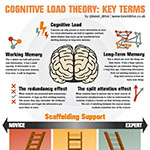
Cognitive Load Theory: the basics

Everything you need to know about working memory
Third Principle of Instruction: Ask lots of good questions
As his third principle, Rosenshine states that questions are one of a teacher’s most powerful tools, that they should take advantage of in class more. Asking students questions is one of the easiest ways to help them practise retrieval in the classroom and cement their overall learning into their long-term memory.
The research behind it
One study found that when teachers followed instructional teaching with lots of questions, students performed better academically than those who were asked less, with the latter’s teachers only asking 9 questions throughout the entire lesson. This isn’t just any questions though – they should be a mixture of factual recall questions.
It’s not just about quantity, the quality of the questions matters too.
Applying this principle to your classroom
Ask pre-questions
Pre-questions are questions that you ask students before you teach them lesson material. Although this may seem like a redundant thing to do, research shows that students who were asked pre-questions remembered almost 50% more than students who weren’t.
Use wait times
It’s also worth mentioning that it’s not just what you ask, but when you ask the question that matters too. Teachers should ensure they’re providing students with enough time to retrieve the answer from their long-term memory. This serves two purposes:
- Students are less likely to guess the answer;
- Students are less likely to get overwhelmed and will attempt to answer the question.
Encourage self-questioning
Research shows that students who ask themselves metacognitive questions such as “How is this similar to a previous task?” or “How can I improve for next time?” whilst completing a task perform better academically. This is because it forces them to think deeply about the material they’ve just learnt, which benefits their long-term memory.
Rosenshine’s 6 suggested questions
Need a prompt? Here are 6 questions Rosenshine suggests you use to get your students to think more deeply about their learning and for you to gauge their level of understanding:
- “What is the main idea of …?”
- “What are the strengths and weaknesses of …?”
- “How does this tie in with what we have learnt before?”
- “Which one is the best … and why?”
- “Do you agree or disagree with this statement: …?”
- “What do you still not understand about …?”
What if students aren’t answering questions?
But, what if you’ve asked the best questions you could, and are still met with silence and blank faces? You can’t just pick someone every time, especially since participating in class has many benefits for students: it allows them to practise retrieval, develop metacognitive skills and even get better results. It can help you, too, by reducing your stress levels and nurturing a positive culture in your classroom.
Thankfully, Rosenshine thought about that too. He suggested 5 ways to get students to engage with questions in the classroom:
- Tell an answer to a neighbour – This promotes peer work, which can in turn help students gain a new perspective and experiment more, but also develop teamwork and communication skills.
- Summarise the answer in one or two sentences – This helps students engage more deeply with the material, and figure out the key information.
- Write the answer down before sharing it – It gives them a bit more time to process and think about the question.
- Raise your hand if you know the answer – This one is especially useful for quieter students, and can also help you gauge how many students know the material.
- Raise your hand if you agree with an answer that someone else has shared – This will help create a more positive classroom culture, but also allow you to check students have been paying attention. As a bonus, this can help boost the confidence of the student who initially shared the answer.
Useful resources

9 questions to improve metacognition

The 5 best questions students can ask themselves

Pre-questions and Elaborative Interrogation
Fourth Principle of Instruction: Provide models
Rosenshine’s fourth principle states that when presenting new and complex material to students, teachers should model their thought process and show students what to do to reduce the likelihood of students getting confused and making mistakes. Modelling is a form of scaffolding, which Rosenshine explores in his eighth principle, as the visual examples help guide students’ learning.
The research behind it
Research shows that students whose teachers had modelled their thought processes in the classroom not only perform better academically, but are also more likely to stay on-task and not procrastinate when they get answers wrong.
Don’t just show what steps are needed to solve a problem, but also why they are necessary.
Applying this principle to your classroom
Model your thinking
Research shows that to successfully model a thought process, teachers need to ensure that their thoughts are organised. This way, they can clearly explain their thinking to students rather than confusing them further.
Use Elaborative Interrogation
Getting students to think about the “why” is a great way to ensure information is being transferred to their long-term memory. Questions such as “Why is this the case?” helps students make connections to prior knowledge.

Why do students need scaffolding?

How to model a thought process

Modelling and sharing personal experiences
Fifth Principle of Instruction: Guide student practice
As his fifth principle, Rosenshine recommended that teachers spend more time guiding student practice to give them the opportunity to further develop their understanding in an environment where they can seek help if they get stuck. This can be done through:
- Rephrasing
- Summarising
- Evaluating
- Elaborating
- Applying newly-learnt knowledge
The research behind it
Research shows that the most effective teachers spend 57% of the lesson guiding student practice by modelling thought processes, addressing misunderstandings and asking questions before giving them independent work to complete. On the other hand, the least successful teachers only spent 11 minutes guiding student practice.
Learning something once is not enough – students have to keep rehearsing information.
Applying this principle to your classroom
Model tasks
Like in Rosenshine’s fourth principle, teachers can successfully guide student practice by showing students what they’re meant to be doing and in what order. This could be done by using completion tasks, thinking out loud or using Elaborative Interrogation.
Use worked examples
Providing students with some sort of structure, whether it’s a step-by-step guide on how to expand a complex quadratic equation or a writing frame on how to write a paragraph on the themes of a poem, is a great way to ensure students stay on the right track.
The power of “yet”
During this stage of learning, students are going to make mistakes and sometimes struggle; this will be the first time they’re applying their newly-acquired knowledge. Therefore, it’s important to motivate students who may be finding the task difficult so they reframe their “I can’t do this” to “I can’t do this yet”. This way, students get into the mindset of positive self-questioning strategies such as “What is an alternative method I could use?”, then using this strategy to solve a problem.
Useful resources

Cognitive Load Theory in practice: worked examples

How good is your first attempt?

How to develop a Growth Mindset
Sixth Principle of Instruction: Check for student understanding
For his sixth principle, Rosenshine emphasised the importance of regularly assessing students’ understanding to nip any misconceptions or misunderstandings in the bud, so they don’t underpin future learning and result in errors. Checking for understanding allows teachers to determine whether they need more time to reteach information, and to assess the depth of students’ understandings. It may also be the most important of Rosenshine’s Principles of Instruction, as getting it right will help you implement the other nine Principles effectively – we explained why here.
The research behind it
If students don’t have a strong fundamental understanding of a topic, they’re more likely to experience a cognitive overload. Therefore, checking students’ understanding in the same sequential process that information should be taught gives students a better fundamental understanding of the topic. Research shows that the more questions a teacher asks, the better students’ academic performance is; errored learning was less likely to be stored in their long-term memory.
If students have a poor foundational understanding, their future learning is going to be full of errors.
Applying this principle to your classroom
Ask students to summarise
Paraphrasing or summarising information forces students to determine what information is relevant and what information is irrelevant. This can benefit their memory.
Check students’ responses
Teachers should regularly check in with students to gauge how confident they feel about the topic. This could be done by having students hold up their answer to a question on individual whiteboards with a thumbs up or down to assess individual understanding and confidence in group settings, for example.
Useful resources

Check for student understanding

Concrete, not sand: build on what they know

The impact of Retrieval Practice on cognitive load
Seventh Principle of Instruction: Obtain a high success rate
For his seventh principle, Rosenshine suggests that teachers should have high success rates from their students in the classroom. Specifically, teachers should be striving for an 80% success rate; this means students’ understanding is being challenged, but not to the point that they’re not learning anything. This gives students both confidence in their ability and motivation to work.
The research behind it
In his classroom observations, Rosenshine found that the least effective maths teachers had a classroom success rate of 73% whilst the most effective fourth-grade math teachers had a success rate of 82%. However, it’s important to note that this 80% isn’t an exact figure, but rather a benchmark for teachers to use as a guide.
Research even shows that the Golem Effect (which states that the lower your expectations of someone, the worse they will tend to perform) caused students to perform 23% worse on tasks than those who had been given high expectations.
The link between success and motivation works both ways.
Applying this principle to your classroom
Have students acknowledge their successes
Students who acknowledge their successes are more likely to be self-aware of their progress and how far they’ve come. This can serve as a motivational tool that encourages students to push themselves academically.
It’s about balance
It’s a simple case of the Goldilocks Effect: if students’ average success rate is too high, teachers should ensure tasks are more challenging, but if the success rate is too low, teachers should spend more time re-teaching and supporting students.
Have high expectations
Having high expectations is referred to as the Pygmalion Effect, which has emphasised the importance of believing in your students. Students are more likely to rise to high expectations than low expectations.
Useful resources

Studies you need to know: high expectations

How much challenge and support to provide?

Everything you thought about success and motivation may be wrong
Eighth Principle of Instruction: Provide scaffolding for difficult tasks
Rosenshine’s eighth principle states that teachers should act as temporary scaffolds, so students get the necessary amount of support they need to become confident and successful learners. Scaffolding is when you gradually remove your support as students become more and more confident that they can successfully complete a task without errors. Providing this style of support enables students to not only learn effective strategies, but also grasp complex concepts faster.
The research behind it
Research shows that students who received help whilst completing a new and difficult task performed significantly better when they were asked to complete a similar task on their own. However, teachers should ensure they’re giving the right amount of support. Too much and students will be spoon-fed – too little will cause students to struggle.
According to Vygotsky, all learning takes place in the Zone of Proximal Development.
Applying this principle to your classroom
Model task completion
Showing students what they need to do to successfully complete a task means they are less likely to make common errors or have any misunderstandings about what they’re meant to do.
Use checklists or structure
Providing students with checklists or writing frames whilst they complete a task means they can refer back to it when they get stuck or want to make sure they’ve done everything they’re supposed to.
Ask probing questions
Probing questions are questions that require more detail from students and are usually used to clarify a point or follow-up on an answer a student has already provided to assess the depth of their understandings. Questions such as “Can you explain what you mean by X?” or “What do you think would happen to X if Y happened?” will encourage students to think critically.
Useful resources

How to use scaffolding in your lessons

8 ways to check if you really know something

Cognitive Load Theory in practice: completion tasks
Ninth Principle of Instruction: Require and monitor independent practice
Rosenshine’s ninth principle suggests that teachers need to ensure that students are engaging in independent practice and monitoring this practice until students become confident, independent learners. This involves practising a task again and again on their own (also referred to as “overlearning”) so it doesn’t take up as much space in their working memory. Therefore, students can turn their attention to processing new lesson content into their long-term memory.
The research behind it
Research found that the most effective students spend between 90 and 110 minutes a day on homework. The study also found that students who completed homework independently and without help performed 10% better on their exams.
Evidence suggests that curiosity primes the brain for learning which helps students better learn information.
Applying this principle to your classroom
Set regular homework tasks
Research shows that students who are set regular homework tasks by their teachers perform better academically than students who aren’t. However, teachers should be careful not to set too much: after the 1-hour mark, homework provides so little benefit it does not justify the extra time.
Focus on the “why?”
Teachers should encourage students to think about the “why” behind factual information; not only does it force them to think more deeply about a topic, it also requires them to build upon and apply their previous learning. By getting into the habit of questioning information, students are more likely to become curious learners and think critically about information.
Beware the Planning Fallacy
The Planning Fallacy is our tendency to underestimate how long it will take us to complete a task. Research which asked students to estimate how long an assignment would take them shows that 70% of students completed theirs significantly later than they thought they would, taking on average 55 days compared to the predicted 34 days. Teachers should set regular deadlines and encourage students to build in some contingency time so they can make the most of their independent practice rather than rushing to complete the task.
Useful resources

The daily stress of being a student (and how to manage it)
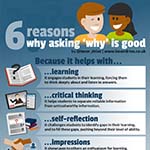
Why students should ask why

How helpful is homework?
Tenth Principle of Instruction: Engage students in weekly and monthly review
Rosenshine’s 10th principle is an extension of his first principle and emphasises the importance of encouraging students to engage in weekly and monthly reviews of their newly-acquired knowledge. This is because regularly reviewing knowledge enhances students’ learning by:
- Making connections between their old and new learning;
- Freeing up space in their working memory;
- Ensuring students have a strong factual foundation to base future learning on;
- Enhancing memory recall.
The research behind it
The reason why Rosenshine’s 10th principle is so effective is because it utilises the concept of successive relearning. This is when students space out their revision at regular intervals over a certain timeline until they have mastered the skill they’re trying to accomplish. For example, continuously analysing the themes of poems until they can automatically do it correctly and without errors even if they’ve never read the poem before.
Research shows that students who regularly completed low-stakes quizzes (which didn’t contribute towards their grade) over a year and a half achieved a grade higher than those who hadn’t completed low-stake quizzes on the lesson content they had been quizzed on.
The more often students’ learning is assessed, the better it is for their academic achievement.
Applying this principle to your classroom
Ask questions
Teachers should ask students questions so they can practice retrieval and engage with lesson material more deeply. Pre-questions, wait times, elaborative interrogation and cold-calling are some examples of effective questioning strategies in the classroom.
Use flashcards
Flashcards are a great revision tool for students of all ages to review previously learnt information and revise for exams. In one study, 92% of students reported that flashcards helped them learn and 72% of students reported feeling less nervous about their upcoming exams. Teachers should encourage students to make their own, either through pen and paper or online, or create their own set of flashcards for their students to use.
Do weekly and monthly quizzes
Low-stress weekly and monthly quizzes are a great way to monitor student progress as retrieval practice works best when the stakes are low.
Useful resources

What happens when you combine Retrieval Practice and Spacing?

Keep Retrieval Practice low stakes

The impact of cramming and testing
What are the learning strategies behind Rosenshine’s principles?
Retrieval Practice
Retrieval Practice is one of the most effective revision strategies a student can use. It’s sometimes referred to as ‘the Testing Effect’ as it forces students to retrieve information from either their working or long-term memory to generate an answer to a question. This not only helps to create stronger memory traces by connecting old and new learning, but it also increases the likelihood of information being transferred and stored in their long-term memory. Retrieval Practice can come in all shapes and sizes but usually comprises of students completing multiple-choice tests, past papers, testing themselves using flashcards or even answering questions aloud in class.
Growth Mindset
A theory first proposed by Dr Carol Dweck, a Growth Mindset refers to the belief that you can improve performance, intelligence and ability. It is the opposite of a fixed mindset, which is the belief that talents and intelligence are set in stone.
An abundance of research has highlighted that our minds are constantly adapting and can be easily trained to do things better. For example, research shows that the regions of the cerebral cortex that process signals from the inner ear actually shrink in ballet dancers the more they practice to help them not get dizzy, which consequently makes them better dancers.
Students who have a Growth Mindset and a more optimistic approach to learning:
- Are better at self-regulation and more likely to persist for longer;
- Report feeling less stressed and helpless when getting things wrong;
- Are more likely to seek out better feedback and take it on-board;
- Are more likely to be resilient learners.
Cognitive Load Theory
Cognitive Load Theory emphasises that our working memory is actually quite small, so can only hold a limited amount of information at one time. Evidence suggests that our working memory can only hold 7 +/- 2 items at one time. As a result, if students are presented with too much information at one time, they experience something known as a cognitive overload. When this occurs, information processing starts going at a slower pace and may even stop altogether, halting learning. To stop this overload from occurring, teachers should present complex information in small quantities so as not to overwhelm students.
Metacognition
Metacognition is often defined as “thinking about thinking”. It refers to a person’s ability to identify, reflect on and critically analyse their current thought processes as well as select helpful strategies that may be more appropriate to overcome challenges more effectively. In essence, it’s about having enough self-awareness to effectively monitor, reflect and analyse their performance before, during and after a task.
It is their roots in research that set Rosenshine’s Principles of Instruction apart in education.
Spacing
Spacing is another effective learning strategy that consists in learning little and often, at regular intervals rather than trying to cram all studying into a single day. One study found that students who had spaced out their revision, on average, performed 33% better on the final test than students who had crammed. The reason why it’s so effective is that leaving time between revision sessions provides students with the opportunity to forget previously learnt material and relearn it, resulting in better memory recall in the long term.
Interleaving
Unlike Spacing, which is about the time between knowledge reviews, Interleaving is about what students choose to cover during their study sessions. Specifically, Interleaving involves mixing up the topics you choose to study within a given subject instead of focusing on the same thing for hours at a time (which is known as “blocking”).
Research has shown just how effective this technique is: it benefits students’ learning by requiring them to make links between different topics and access previous knowledge, leading to better memory recall. One study found that students who interleaved their studying performed 7% better on an exam than students who had used blocking.
Resilience
Resilience refers to a person’s ability to cope and persevere through unexpected or difficult circumstances. People who can overcome these challenges and barriers are in a better position to deal with setbacks in the future by developing effective coping mechanisms to handle any stress or frustration felt. Students with high resilience are more likely to stay positive, learn from their mistakes and seek feedback on how to do better this time.
Useful resources
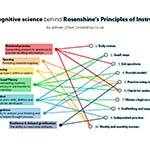
The cognitive science behind Rosenshine's Principles

What are the best ways to study?

Psychologically smart lessons
FAQ
Rosenshine’s Principles should not be seen as a checklist or a lesson plan but rather a guide. Often, teachers feel like they have to include all 10 principles in every single one of their lessons. The reality is, you won’t need or won’t have time for all the principles at one time. Select the principles that make sense based on the objective or content of a lesson.
Again, this depends on the focus of your lesson. From an objective standpoint, the short answer is no. However, some lessons and subjects may require a more instructional focus so using modelling, scaffolding and guiding practice will be more relevant. Other lessons may require more independent practice and checking for understanding more regularly. It’s up to you to decide what elements of Rosenshine’s principles will complement your lessons the most.
No, although the two are interlinked. The difference is that Cognitive Science gives us the theories, while Rosenshine’s Principles offer guidelines and suggests what that theory looks like in practice.
No, they go hand in hand. The key is to find the balance between the two where one serves the other.
Absolutely. The Principles offer best practices for teaching regardless of the students or subjects, and are particularly useful for teaching new knowledge and tasks, which is a big proponent of primary education.
The 80% success rate that Rosenshine encourages teachers to meet is the percentage of answers or work their students, on average, get right each lesson. Of course, there will be some variation between high achievers and those who may struggle a bit more. Don’t focus too much on this number, but rather on the importance of high expectations.
That’s really up to you. Some teachers get a bit confused by whether informal assessments like weekly and monthly reviews should be replacing formal assessments like end-of-topic tests. However, the reality is that you need both.
Further reading
If you want to learn more about Rosenshine’s Principles of Instruction and how to use them in your classroom, you may be interested in our CPD workshops. We offer:
- A Rosenshine’s Principles of Instruction online teacher CPD module on the Teacher CPD Academy
- A Rosenshine’s Principles of Instruction teacher CPD workshop, available in-school or live online.
We have published a wide range of blogs that encompass the science behind Rosenshine’s principles – here are a few of our favourites to get you started:
- 8 ways to develop metacognitive skills
- When to use Retrieval Practice in the classroom
- Strategies to develop a Growth Mindset
- How to apply Interleaving to your teaching
- How to improve Metacognition with Retrieval Practice
For further reading, we recommend:
- Tom Sherrington’s book Rosenshine’s Principles in Action
- A helpful overview of Rosenshine’s research by Eton College
- Rosenshine’s original paper, summarising his principles
The post Rosenshine’s Principles of Instruction appeared first on InnerDrive Dev1.
]]>The post The best ways to study appeared first on InnerDrive Dev1.
]]>How to study effectively
Not all revision strategies are equal. Some are far more effective than others. These proven strategies help students retain more information and increase their ability to recall them at a later date. These techniques include Retrieval Practice, Spacing and Interleaving.
It’s not just how many hours of revision you do, it’s also what you do in those hours that counts.
Retrieval Practice
Retrieval Practice (sometimes referred to as ‘the testing effect’) is the name of a strategy which requires students to generate an answer to a question. It has been proven to be one of the most effective revision strategies. Retrieval Practice may comprise of past papers, multiple choice tests or answering questions aloud. Flashcards are another good example of this.
Spacing
Spacing is another good revision technique that students can employ. This involves students learning a little information regularly, rather than trying to learn a lot in a single day.
Recent research has found that the use of Spacing resulted in a 10% to 30% difference in final test results compared to students who did lots of cramming. Spacing out their revision gives students enough time to forget previously learnt information, meaning that when this information is re-visited and re-learnt it is more likely to be transferred to their long-term memory.
Interleaving
Interleaving involves students mixing up the topics they study within a given subject. Recent research has shown how effective this technique is: while students who ‘blocked’ their learning (the opposite to Interleaving) performed to a higher level when tested immediately after learning the information, those who used Interleaving performed more than three times better if the test was more than a day later.
Interleaving helps students make links between different topics as well as discriminate between different types of problems, allowing them to identify the most ideal thought process for each.
A Good Study Partner
This one comes with a warning attached, as students need to ensure that they are choosing a study partner for the right reasons rather than choosing someone who they believe will reduce their boredom and distract them from their revision.
A good study partner is someone who is motivated to revise, as research has shown that if the person next to you is working hard, it is likely that you will follow and increase your work ethic to match theirs. Another study also found that if students are able to work together, for example on a problem-solving task, they are more likely to experiment with different techniques in order to try and solve it as well as learn faster from positive and negative feedback.
Useful resources

Harnessing the testing effect
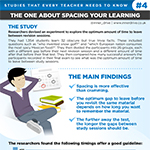
The one about Spacing your learning

5 proven hacks to help students tackle revision
How not to study
Having understood the ways in which one can revise effectively, it is important that students, parents, and teachers are made aware of the mistakes and ineffective strategies students often try to use when revising.
Cramming, simply re-reading notes and revising with a mobile phone nearby or with music playing are all poor revision techniques.
Cramming
Many students rely on cramming in hours of revision the day before an exam in a last ditch attempt to try and prepare themselves. However, cramming should not be relied upon; and whilst it might make students feel as though they are learning more, this is an illusion. Instead, cramming can make students feel stressed, an emotion which is not ideal for exam preparation.
Re-reading
Recent research found that 84% of students re-read their notes when revising, whilst 55% claimed this was their number one strategy. Such results make for worrying reading, as countless studies have proven the ineffectiveness of re-reading, showing that when students employ this strategy they simply skim read the text. This means that the information is neither considered nor processed, and does not become embedded in the long term memory.
Distractions
Multi-tasking is a myth. Revising with your phone next to you just doesn’t lead to better learning. Research has found that simply having a mobile phone out whilst revising causes a decrease in concentration and a reduction of 20% in performance. Similarly, revising with music on can distract students, with recent research showing that a quiet environment is preferable and leads to an exam performance that is 60% better than those who revise whilst listening to music with lyrics.
Useful resources

6 reasons to put your phone away
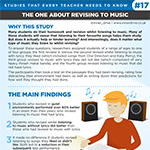
The one about revising to music

Long gaps during revision 'better than cramming' – BBC
How can teachers help students prepare for exams?
Teach Multiple Strategies
One way in which teachers can help students to prepare for exams is to teach them multiple strategies, which they can use to solve certain problems. This can help promote a Growth Mindset in students and aid their revision, such that if one revision strategy does not help them solve a problem, they have others that they can try. This makes them less likely to give up, and instead they will persist with their revision for longer.
Teachers can help students with revision by teaching them multiple effective strategies and adapting their lessons.
Dual Coding
Teachers can help their students retain more of the information taught in class by using Dual Coding, which involves giving students two representations of the same information (i.e. one being words and the other being pictures). Dual coding would work very well in many lessons; for example, when learning about the different part of the heart in GCSE Biology, a teacher could give students a diagram of the heart alongside an explanation of the functions of the different areas. Having two representations of the same information helps students cement the information in their long-term memory.
Manage Student Nerves
All humans fear the unknown to some extent, which is why exams are often stressful, as students have no way of knowing what questions will be presented to them. One way in which teachers can help students cope with the pressures of exams is by encouraging them to keep a diary. Keeping a diary of the thoughts and emotions that they feel uncomfortable with can enable them to develop a sense of control and reduce their levels of anxiety.
Useful resources

Growth Mindset for teachers
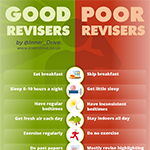
10 ways to revise better

Revision: an introduction to dual-coding
How can parents help their child prepare for exams?
Minimise Distractions
One way in which parents can help their child to achieve is by ensuring that they are revising without any distractions present. One of the most common distractions nowadays is a mobile phone. Parents ensuring that their child does not revise with their phone within arms reach will give these students a better chance of doing well and staying focused. The short term pain of removing a phone will almost certainly be worth the long term gain.
Help with Revision
Parents can help their children with revision through using Retrieval Practice (i.e. having to generate an answer to a question). This can be achieved in a number of ways: for example, parents could test their child on flashcards, or create multiple choice or essay questions based on the subject material. Even more simply, parents could print off and collate relevant past paper questions for their child to attempt.
Children tend to mirror their parents. By managing their own stress levels, they automatically help their child do the same.
Support Your Child to Achieve
One of the largest studies which investigated parental behaviour and the impact it had on a child’s achievement demonstrated that high parental expectations lead to higher academic achievement. However, it is important that these realistically high expectations are accompanied with social support, so that the child doesn’t become stressed and feel a huge pressure to excel.
Help Them Cope with Setbacks
The exam period is a highly stressful time, and some exams may not go as well as the student would have hoped. When this scenario occurs, a parent’s reaction to this can be key as to whether or not the child overcomes the setback. Parents should try and view the child’s mistakes, however frustrating, as an opportunity for learning rather than a judgment on their ability, as this helps the development of a Growth Mindset, causing the child to believe that they can do better next time.
Useful resources

How parents can help improve grades

A parent's guide to surviving the exam season

Helping your child through exams – BBC
How to manage the pressure of exams
Feeling nervous about an upcoming exam is natural and something that the majority of students experience. However, if students are able to develop a positive mindset and prepare well, these nerves can be managed.
Often, the students who perform the best when under pressure are those who have practiced strategies that can be used to overcome test anxiety and have consistent routines that they employ the night before and the morning of an exam.
What to Do the Night Before an Exam
Get a Good Night’s Sleep
Students should not stay up late the night before an exam trying to cram in some last minute revision, as it is unlikely they will retain any new information at this point. Instead, getting a good night’s sleep would be more beneficial, as research has demonstrated that sleep deprivation can lead to lower levels of concentration, poorer memory performance and an increased focus on negative aspects, all of which could lower exam performance.
Remind Yourself of Your Previous Best
The night before an exam, students should think about other previous exams in which they excelled and the strategies they employed to achieve this, so that they can implement them again. Using such methods should help improve student confidence and install the belief that their good preparation can allow them to perform at a high level again.
A practiced, consistent and well thought out exam routine can help settle nerves and allow students to feel more in control of their situation.
What To Do on the Morning of an Exam
Eat Breakfast
Recent research has demonstrated that not eating breakfast can have detrimental effects on a student’s performance in exams, such that the odds of achieving an above average score in a test are twice as high if students eat breakfast. Not eating breakfast leads to a reduction in memory and lowers student’s concentration levels.
Avoid Anxious Students
Recent research has shown that emotions are contagious; therefore, when students see others acting anxiously before an exam, they too experience an increase in their cortisol levels, which makes them feel more nervous. So, before an exam, students should try and avoid those they believe will make them feel anxious, and instead engage in non-exam related conversations with calmer students.
Take Deep Breaths
When students feel themselves getting anxious, they should focus on taking some deep breaths. By slowing their breathing, students should experience a reduction in their heart rate and feel their bodies moving closer to a state of psychological rest, where they can regain control of their emotions and situation.
Useful resources
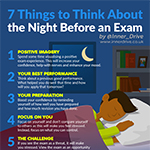
What to think about before an exam
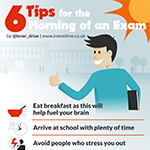
The morning of an exam
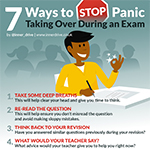
Handling exam pressure
How many hours a day should students spend studying?
Students often ask: “How many hours of revision is enough?” However, for revision it seems that there is no set number of hours students should be doing, as often it is about both quality and quantity.
The Student Room recommends 15-20 hours per week (which equates to only 2-3 hours per day), whereas a former Headmaster of Harrow recommends 7 hours of revision per day during the Easter holidays. With such varied recommendations, it may be an impossible question to answer, and that instead students need to experiment to see what works for them.
There are no rules for how long students should revise. Both quality and quantity count. This means maximising your time, employing effective strategies and avoiding distractions.
A growing body of research has found that taking short breaks can play a key role in the learning process. During these breaks, it may be a good idea for students to exercise, even if this only involves going for a short walk. Recent research demonstrated that taking a short walk for just 12 minutes can improve happiness, attentiveness and confidence, all of which would be useful for students taking exams.
Useful resources
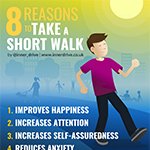
The benefits of taking a short walk
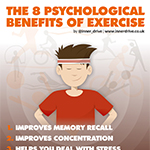
8 ways exercising boosts your brainpower

How many hours a day should I revise? – Seneca
FAQ
Experts believe that one of the most effective revision strategies is Retrieval Practice. This means doing an activity that requires an answer to a question, cementing this knowledge in the long-term memory. Examples of Retrieval Practice include past papers, quizzes, multiple choice tests or simply having someone ask questions about study topics.
Probably not. Many people believe that revising with music improves their mood and level of motivation. However, whilst this may be true, listening to music with lyrics can hinder the learning of complex information and damage later recall as it competes for your attention and distracts you.
There is no set number, but the more you do, the more likely you are to remember the material. However, it is not all about quantity, quality makes a difference too. Therefore, it is important to space out your revision, minimise distractions and do lots of practice tests.
The easiest way to do this is by turning it off! If you can’t manage that, put your phone on airplane mode. Alternatively, try telling people when you’ll be available to avoid unwanted distractions whilst you work, or download a free app to help you control your screen time.
Further reading
We have published a wide range of blogs on the best ways to revise – here are a few of our favourites to get you started:
- How to revise smarter
- 9 easy ways to get better grades
- 5 ways to maximise revision time
- 9 ways to manage revision stress
- The psychological benefits of mock exams
- Exam countdown
- Our award-winning book Release Your InnerDrive contains lots of helpful tips on how to revise better.
For additional further reading we recommend…
- A helpful overview of the different Revision Techniques by the BBC.
- AQA have put together different series of revision tips to help students revise more effectively and give teachers ways to help their students.
- A TES article exploring the best ways to revise.
- BBC radio 1 has released a series of videos aimed at helping students reduce exam stress and revise more effectively.
The post The best ways to study appeared first on InnerDrive Dev1.
]]>The post How to improve Metacognition in the classroom appeared first on InnerDrive Dev1.
]]>What is Metacognition?
The word “metacognition” is derived from the Greek root word “meta” meaning “beyond” and the Latin word “cognoscere” meaning “getting to know”.
But along with more modern usage of the prefix “meta”, it is now more usually defined as “thinking about thinking”. Metacognition is the ability to reflect and critically analyse how you think. Essentially, it is best thought of as having self-awareness that enables individuals to monitor, reflect and analyse their performance. Students who can do this are more likely to learn more efficiently, more effectively and therefore make more progress.
Metacognition is much more than just ‘thinking about thinking’ or ‘learning how to learn’…
Research, much of which has been evaluated by the Education Endowment Foundation, suggests that Metacognition is one of the most effective and cost efficient ways to help students make gains in their learning.
Useful resources

What is Metacognition?

Get started with Metacognition – Cambridge community

4 misconceptions about Metacognition
The science behind Metacognition
The science behind Metacognition (especially in education) has been extensively researched as it covers a very broad area. Recent evidence suggests that it can add up to 7 months of additional learning for students.
Metacognition can be enhanced by improving your ability to predict how well you will perform on a task. Other recent research has found that reflecting on which study resources to use, why these resources are useful, and how you will use them improves Metacognition, self-reflection, emotional control and grades.
The science is now clear – developing Metacognition leads to better learners.
Recent research has revealed that those with strong metacognitive abilities have more grey matter in the part of the brain known as the anterior prefrontal cortex. Interestingly, the anterior prefrontal cortex, which plays a critical role in metacognitive abilities, is one the few parts of the brain where we as humans show differences to our closest relatives, the great apes; therefore, it seems as though this ability to introspect may be unique to us.
Researchers still remain unsure as to whether the prefrontal cortex developed as individuals become better at introspection, or whether individuals who are better at introspection have greater development in this area in the first place. However, this does not mean that those with a lower functioning prefrontal cortex cannot demonstrate metacognitive abilities, as through practising the strategies highlighted below, everyone can improve.
Useful resources

Can you improve Metacognition quickly?

Metacognition in schools – Perry, Lundie & Golder

Metacognition & Self-Regulated Learning – EEF
Metacognition in schools
Metacognition has become a particularly hot topic in education since the Sutton Trust Education Endowment Foundation Toolkit highlighted it as one of the most cost-effective strategies to help students improve their learning.
Being aware of this process and its impact on the cognitive development of children and young people can actively improve their abilities in a range of different subjects.
On average, students who develop metacognitive skills have been found to make seven months additional progress.
Developing metacognitive skills encourages independent learning, resilience and grit in children. This is because it helps students identify what does and doesn’t work as well as helping them deduce what they would do differently next time if they experience a setback, failure, or make a mistake.
Useful resources

Improving Metacognition with Retrieval Practice

Improving grades using Metacognition

Teaching pupils how they learn boosts progress – TES
How to develop Metacognition in your classroom
Teachers can encourage the development of Metacognition in the classroom by giving students the opportunity to use metacognitive strategies at key stages of a task. This ensures that they improve both their self-awareness and ability to choose effective thought processes in the future.
One way to do this is to break down the strategies into the three stages: before a task, during a task and after a task. Coincidentally this approach is fairly similar to the “Plan, Do, Review” cycle that has been adopted by many high performing sports teams.
By establishing clear processes before, during and after a task, students will get into the habit of self-reflection.
Put simply, planning happens before a task, monitoring takes place during it, and reviewing occurs afterwards.
Planning Before a Task
Most people understand that preparation is key, but whether they know how to best prepare is another matter. Good preparation involves:
- Thinking about similar tasks
- Setting clear goals
- Working out how long a task may take to complete selecting appropriate strategies
This can help allocate your efforts more efficiently – read more about the Planning part of the metacognitive process.
Monitoring During a Task
Students need to assess how they are progressing on a task, to ensure they are on the right path. This self-monitoring is made easier if they spend time on the planning stage and know exactly what they want to be working towards. Read more about the Doing part of the metacognitive process.
Reviewing After a Task
After completing a task, students should spend time reflecting on what went well and what they would do differently next time. This ensures that they are learning as much as possible from the experience and as such, are developing and improving. Read more about the Reviewing part of the metacognitive process.
Useful resources

9 questions to improve Metacognition

Metacognitive strategies

England training strategy
What are metacognitive strategies?
Metacognitive strategies are strategies that improve students’ learning by improving their self-awareness and selecting the appropriate strategy. Metacognitive strategies often fall into one of three categories: planning, monitoring and reviewing, which are representative of the different stages needed to successfully complete a given task.
Goal-setting, understanding how we learn and knowing how to ask for and receive feedback are some great metacognitive strategies.
Metacognition and Goal Setting
Setting and reviewing goals is one of the most significant ways that a student can make and monitor progress. This can be done by setting both short- and long-term goals, ensuring that they are both challenging and realistic, as well as placing a strong emphasis on skill development as well as on outcome.
Metacognition and Feedback
Feedback can be one of the best ways to help someone improve their learning, yet research suggests that 38% of feedback interventions actually do more harm than good. Making feedback an integral part of the learning process is a key way to encourage Metacognition in the classroom. Teachers should create an environment in where students appreciate that feedback from the task at hand is not a judgement on who they are as a person.
As giving and receiving feedback is so important, we have written a lot of blogs on the subject. This one is probably the best place to start.
Useful resources

How to do goal-setting right

6 common mistakes when asking for feedback

10 ways to give better feedback
Metacognition and self-questioning
Metacognition can be enhanced if students know how to talk to themselves in a helpful and constructive way. Asking yourself good questions is one way to encourage this.
One fascinating study looked at this by dividing participants into two groups. One group asked themselves questions (“Will I do well?”) whilst the other gave themselves declarations (“I will do well”). When these groups were then faced with a set of challenging anagrams, the group who had asked themselves questions answered significantly more than their peers in the other group.
Asking yourself questions may lead to better performance because it kick starts your brain into searching for answers. Essentially, it is a call to arms.
So what are the best questions to ask yourself? Here are our top 5:
1. What do I need to do first?
2. Why is this true?
3. How can I get better?
4. Who can I ask for help?
5. Where do I do my best work?
Useful resources

What are the 5 best questions that students can ask themselves, and why?

6 ways to improve how you talk to yourself

11 ways to silence your inner critic – BBC
Metacognition and self-reflection
Self-reflection enhances self-awareness, as it makes it easier to be able to monitor one’s performance (which is a central tenant of Metacognition).
Benjamin Franklin reportedly kept a journal where he would reflect at the end of each day what he did well and what he could do better. This process made it easier for him to form more effective habits.
Encouraging students to keep a diary is one of the simplest ways to improve self-reflection.
Evidence suggests that keeping a diary helps improve a range of factors which include, but are not limited to, self-awareness, ability to manage nerves, mental well-being and Metacognition. Diary keeping helps people in all walks of life and it’s a really easy way to improve your well-being. Just as Benjamin Franklin did, by writing down your targets, reflecting on how well they went or consciously trying to improve them for the next day, you give yourself the best chance of success.
Useful resources

6 reasons to keep a diary

3 easy wins on Metacognition

The surprising health benefits of journalling – Telegraph
Metacognition
FAQ
Metacognition is the ability to critically analyse and monitor the way we think. For students, this means evaluating their performance so that they can understand what caused their successes and failures.
You can teach Metacognition by encouraging students to monitor and reflect on their performance. This will allow them to identify what they are doing well and what they can improve on. Once students have established this, they should be encouraged to set goals which motivate them to make these improvements.
Some metacognitive strategies include:
- Setting yourself challenging but realistic goals.
- Asking yourself effective questions that require you to think deeply about the task.
- Monitoring your performance.
- Seeking feedback so you can replicate what works and avoid what doesn’t.
No, not at all. Research by the Sutton Trust showed Metacognition to be one of the most effective but cheapest interventions schools can carry out, with students making on average 8 months additional progress. Improving Metacognition is cheap because it doesn’t require the use of expensive materials.
Further reading
Our main blogs on how to improve Metacognition in students can be found by clicking on these links:
- What is Metacognition?
- 9 Questions to Improve Metacognition
- Eight Ways to Develop Metacognitive skills
- Metacognitive Strategies
- Can you improve Metacognition Quickly
- Metacognition and Retrieval Practice
And here are some of our favourite additional resources:
- The Education Endowment Foundation’s Metacognition overview
- How to Improve Metacognition and Why It Matters from The Learning Scientists
The post How to improve Metacognition in the classroom appeared first on InnerDrive Dev1.
]]>The post How to develop a Growth Mindset appeared first on InnerDrive Dev1.
]]>What is a Growth Mindset?
Mindset refers to a person’s set of attitudes and the way that they think. A Growth Mindset is the belief that our attributes are malleable, and that through effort and learning they can be improved.
A Growth Mindset isn’t something that is developed overnight, but rather it is developed over time. Many factors contribute to someone’s mindset – these include previous experiences, the environment and the culture they are in, and their motivation to improve.
A Growth Mindset does not equate to the belief that anyone can do anything. Instead, it is the belief that anyone can get better
Growth Mindset is not just about telling students to try harder or that it is just the taking part that matters. Other misconceptions we have seen include believing it is a quick fix, it is the only thing that matters or that praise should be given just to boost self-esteem. Rather, it is a theory about how people view themselves and how they can improve. Having a Growth Mindset provides a firm platform for future learning to take place.
Useful resources

How do you actually develop a Growth Mindset?

Praise the effort, not the outcome? Think again

Growth Mindset and ….
The differences between fixed and Growth Mindsets
Growth Mindset is the idea that through the right strategies we can improve our abilities. Those with a fixed mindset believe that you either have those abilities naturally or you don’t. Those with a fixed mindset may view doing badly at a subject or in a test as ‘proof’ that they aren’t clever enough to do well at that subject. As a result, they are more likely to dis-engage from the task, which then leads to them not doing well. In this respect, it creates a self-fulfilling prophecy. Those with a Growth Mindset are more likely to focus on their processes and behaviours after a setback and reflect on what they could do differently next time. This enhances motivation and by placing an emphasis on learning, is more likely to lead to future improvements.
Those with a fixed mindset want to prove themselves. Those with a Growth Mindset are more concerned with improving themselves
On the other hand, fixed mindset is the idea that our attributes are set in stone and largely unchangeable. This means that when those with a fixed mindset fail at a certain subject, they attribute this to the subject “not being their thing”. Having a fixed mindset can also limit learning, as it causes individuals to avoid using new strategies: they fear looking stupid and see failure as a judgment of their abilities and indeed of who they are.
Useful resources

Why growth mindset isn't what you think it is

6 ways that failure can help

"The Growth Mindset" on BBC World
What’s the science behind the Growth Mindset theory?
Growth Mindset was born out of decades worth of research initially based on motivation. One of the seminal studies in this field found that those who had been praised for their natural ability and intelligence did worse in subsequent tasks, enjoyed the tasks less and were more likely to give up quickly compared to those who had been praised for their effort and processes.
Other research from neuroscience has expanded our understanding of how malleable our brain and our abilities actually are. Our brains are constantly re-wiring and re-shaping as a direct result of our experiences. Cells in the brain known as neurons are connected to thousands of other neurons, and as we practice activities this network grows, and existing connections can be strengthened.
The brain being malleable doesn’t mean we can all get to the same destination – but where you start doesn’t have to be where you finish
Research supports the concept of the brain being malleable; London Taxi drivers have to pass a test known as ‘The Knowledge’, which takes many years of studying as it requires them to be able to navigate over 320 different routes throughout the capital. When researchers studied the brains of taxi drivers they found that the part of their brain largely responsible for spatial awareness grew significantly as they completed their studying. Similar results have also been found in other areas, specifically in young musicians.
Useful resources

The Growth Mindset – the Guardian
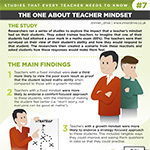
The one about teacher mindset

Growth Mindset: whose line is it anyway?
The benefits of having a Growth Mindset
Evidence suggests that a Growth Mindset is associated with responding better to setbacks, seeking out higher quality feedback and increased resilience. Some, though certainly not all, research has found that it is linked to getting better grades as well (this appears especially true for struggling students).
A Growth Mindset does not guarantee success – but believing you can get better, and knowing how to, makes a great foundation for self-improvement
Having a Growth Mindset also helps improve mental health and general wellbeing. Recent research has shown that a focus on having a Growth Mindset can help how stressed students deal with pressure as well as reducing symptoms of anxiety and depression
Useful resources

The problem with praise

Mindset & mental health: interview with Jessica Schleider

What we learnt at the KGS Growth Mindset conference

Download this guide as a free e-book
Growth Mindset in schools
Growth Mindset is arguably one of the most popular psychological theories in education. A recent survey found that 98% of teachers believed that if their students had a Growth Mindset it would lead to improvements in learning. However, the survey also demonstrated the need to educate teachers on strategies to develop this, as only 20% of teachers believed they were good at fostering a Growth Mindset and 85% wanted more training and practical strategies.
Research has shown that the type of praise teachers give students can have an impact on their mindset and motivation. To develop a Growth Mindset, teachers could concentrate on giving their students praise that concentrates on their strategy (i.e. “you must have worked really hard at that”) rather than on their abilities (for example: “you are so clever”).
Praise can be a double edged sword. Used wisely it can boost motivation, mindset and resilience. Done badly, it can do more harm than good
Developing a Growth Mindset in schools is beneficial as it creates students who are gritty, seek out better feedback, persist for longer and cope better with transitions. This is because students with a Growth Mindset recognise that failure is not something to be ashamed of and often provides opportunities to learn and improve.
Useful resources

Growth Mindset for teachers

Strategies to develop a Growth Mindset

Why you need a Growth Mindset about Growth Mindset
How to develop a Growth Mindset in your classroom
There are a number of strategies that teachers can implement in order to promote and encourage students to develop a Growth Mindset. Some may be more applicable than others, so it often requires a bit of trial and error and a lot of patience to figure out what works best in your classroom.
The key is to develop a culture and environment where students have high expectations, get quality feedback, and are motivated to improve
Growth Mindset and Questioning
If teachers are able to get students to ask themselves questions such as “What would I do differently next time?”, this may help develop a Growth Mindset. Questions like this are great as they stop students from dwelling on the past by giving them a sense of control over their situation, whilst also facilitating the opportunity to identify and focus on what they need to improve in the future.
Growth Mindset and Praise
The type of praise that students are given by their teachers can have differing impacts on their mindset. In one particular study students were given either process or person praise when solving a problem. They then had to solve a more difficult problem, which they were told they were unsuccessful at. The researchers found that the students who had been given process praise e.g. “you did really well; you must have tried hard” showed higher levels of resilience and effort when attempting to solve the difficult problem and did not attribute their failure to a lack of ability.
On the other hand, students who had been given person praise e.g. “you are so clever” displayed a fixed mindset and were less resilient, blamed their failure on a lack of ability and did not try new strategies for fear of looking stupid. Therefore, if teachers want to develop a Growth Mindset in their students, process praise should be used.
Growth Mindset and Failure
Students have a tendency to see failure and success as black and white and it is this kind of thinking that puts them under excessive stress and pressure. Creating a supportive environment where students think of failure as part of the learning process can help develop a Growth Mindset and reduce pessimism, increase self-esteem and encourage students to tackle challenging tasks. This is because it’s not failure that students fear, but the perceived negative consequences that follow and its potential to damage their self-image.
Growth Mindset and Feedback
Mindset is just the belief that one can get better. Feedback provides the direction and indeed the tools for doing so. The danger is that if people are only looking for praise, then when they receive negative feedback, they often take this personally and get defensive. Teachers therefore need to encourage students not to see feedback as a reflection of their abilities but instead as an opportunity to reflect on and evaluate their strengths and weaknesses in order to make improvements.
Growth Mindset and Revision
It is a real challenge to motivate students who have put lots of effort into their revision but fail to achieve when it comes to the exam. For such students, fostering a Growth Mindset is challenging as simply telling them to work harder would not be beneficial. Instead, it may be that these students need to be taught more effective revision strategies. For them it may not be about working harder, it’s helping them work smarter.
Useful resources

5 questions that encourage a Growth Mindset

The power of expectations

7 ways to reduce fear of failure
Growth mindset strategies
Developing a Growth Mindset is one way in which teachers can help their students reach their full potential and flourish. This is easier said than done, as one-off strategies tend not to work long term; but if it part of a long-term vision and in an environment that both challenges and supports students can be very valuable. To get the ball rolling, a good starter activity can help get the conversations flowing and act as a call to action.
Growth Mindset strategies work best if they are subtle and stealthy. If they are part of a long term strategy and culture they are far more likely to work.
Famous Failures
Dispelling the myth that ‘successful’ people have always been successful can open up a good conversation about how to react to setbacks. One such example is the author J.K Rowling, whose first Harry Potter book (The Philosopher’s Stone) was rejected by 12 publishers before finally being accepted and reaching sales of 400 million copies. By having the students reflect on someone they admire and have them research what setbacks they had to overcome is a good way to enhance their motivation to improve.
Letter Writing
A second strategy that teachers could use which is based on good research is to encourage their class to write letters to younger students about having a Growth Mindset and how this could or has helped them achieve at school. Writing this letter will not only help the older students, but will also help the younger ones as well.
Useful resources

Growth Mindset: stories & science (parts 1-7)

Can one off Growth Mindset interventions work?

Addressing achievement gaps with psychological interventions
Applying Growth Mindset to different subjects
Developing a Growth Mindset can be very useful as it can lead to higher attainment across all subjects. This is because Growth Mindset does not focus on what students learn but instead their attitudes towards learning.
However, Growth Mindset strategies are more likely to work if the are incorporated into their subject, as having a Growth Mindset in Maths may look very different to having one in English. If students are given strategies in the context in which they are applicable, then they are more likely to practice them and better understand the positive impact they have.
Developing a Growth Mindset towards English or towards Maths may look very different – imbed the belief that students can improve across all subjects
Growth Mindset and Maths
Maths is often a subject that many students struggle with, which can lead to a fixed mindset, where students come to believe that they are not a ‘maths person’. Evidence suggests that teachers who demonstrate multiple strategies to teach a maths concept are more likely to have students who develop a Growth Mindset. This may be because knowing multiple strategies means that if students fail at their first attempt, they are more likely to persist, as they have other methods they can use that may be effective.
Growth Mindset and English
In order to encourage a Growth Mindset, teachers should consider the type of feedback they give to students on their essays. Many students fail to look past the grade they are given which leads to key feedback being missed. Getting the balance between reporting on someone’s current level and how they can improve is tricky as their is not much wiggle room, but done effectively can have a profound impact on the learner.
Useful resources

Maths Growth Mindset

Subject-specific Growth Mindset

Is predicting grades a waste of time?
FAQ
Developing a growth mindset isn’t easy, however it is achievable with time and effort. Students can start developing a growth mindset by recognising that by working hard and learning from their mistakes they can get better.
A growth mindset can be developed by monitoring and evaluating your performances to identify how you can improve next time. Another way in which you can develop a growth mindset is by talking to yourself in a positive way. For example, instead of saying “I can’t do it”, say “I can’t do it yet”.
Research has shown that parents can help their child develop a growth mindset by praising their efforts rather than praising their existing talents. Other research suggests that viewing their setbacks as learning opportunities increases your child’s belief that they can improve.
Growth mindset can be developed in the classroom by providing students with a range of different strategies that help improve the way they work and their ability to cope with pressure. These include having high expectations, providing high quality feedback, introducing tasks that stretch them and by reducing their fear of failure.
Some research suggests that there may be a link between growth mindset and grades, especially for struggling students. One study which looked at over 160,000 students found that students who have a growth mindset consistently outperform those who do not, an effect which remained consistent across different socioeconomic groups. However, it is worth noting that other studies have failed to find a similar link. Growth mindset can also improve grades by removing stereotype threats where students believe that only a select group will achieve in a certain subject.
With a growth mindset, we believe our abilities can be improved through effort and learning whereas with a fixed mindset we believe our attributes are fixed and largely set in stone. Those with a fixed mindset often limit their learning by avoiding new situations and see failure as a judgement of their abilities.
The post How to develop a Growth Mindset appeared first on InnerDrive Dev1.
]]>The post Mobile Phone Management appeared first on InnerDrive Dev1.
]]>Mobile phones in the classroom
In 2018, France banned mobile phones from their schools in an effort to stop students from getting distracted during lessons. Only time will tell just how successful this decision was, but it was certainly based on solid grounds. Research has found that mobile phones can hinder students learning and, as a result, cause a decline in their academic performance.
For example, a recent study found that UK schools who banned mobile phones saw a 6.4% increase in their students’ grades, with this effect being particularly pronounced amongst struggling students. In another fascinating study, students separated into two groups were taught the same lesson, but only one of the groups had access to electronics (phones and laptops). Those who had been allowed to use electronics performed 5% worse in the final exam than the other group who had no access to this technology.
We took a closer look at these findings to see what they can tell us about the causes of this decline in performance. Why do mobile phones present such a threat to learning for students?
Banning mobile phones isn’t necessary, but understanding their negative impacts and learning phone management strategies is important for students’ success.
Reduction in concentration
Mobile phones have the potential to be a great tool for students in the classroom, allowing them to find and share information. But recent research has suggested that they’re more likely to become a source of distraction. Students can easily be tempted to text or check social media during lessons rather than concentrating, engaging and interacting.
Similarly, phones can be a distraction when studying – it’s hard to focus on pages of notes and past papers when you have the temptation of social media and games right on your desk. Revision time is too precious for students to be wasting it with partial focus.
Reduction in memory
To commit information to long-term memory, students need to engage and interact with the material they are trying to learn. So, if a phone is next to them, all the notifications coming through will interrupt and disrupt their recollection of the information they are trying to take in.
Research has even shown that students are more likely to remember material if they are looking at the teacher during class. This is an easy finding to apply to phones: the less potential distractions students have, the more likely they are to focus on the teacher and have a better memory of new material.
An additional point is that the waves emitted by mobile phones could cause a reduction in memory. Only small effects have been revealed in such studies, so take these findings with a grain of salt. However, this could be a way to explain why students who use their mobile phones excessively have slower response times in memory tasks.
Useful resources

The consequences of electronics in class

6 reasons to put your phone away

French school mobile phone ban
Mobile phones and well-being
We’ve discussed how they can harm students’ academic performance, but a major issue with mobile phones is that they can also have a negative effect on students’ overall well-being.
Social media is often to blame for these negative effects. It is easy for students to become obsessed and spend hours scrolling, late into the night. This is harmful for their quality and quantity of sleep, but it can also present them with a warped view of reality. Most people only show an idealised version of themselves on social media, which can lead others to think they should look or behave in a certain, often unattainable way in order to fit in.
But it isn’t as clear cut as this – mobile phones have many ways of influencing a student’s well-being negatively. Here are the most important factors…
Reduction in Sleep
Sleep is vital for students’ success: it can help them concentrate better, increase their memory and decrease the likelihood that they’ll suffer from illnesses. On the other hand, sleep deprivation can hinder students’ mental health and ability to remember new information. For example, one particular study found that sleep deprived students not only remembered 40% less than others, but were also less likely to remember positive experiences.
That is why proper phone management strategies in the lead up to bedtime are important. Mobile phones can easily distract students from getting the proper amount and quality of sleep by encouraging them to go to bed later. As a result, they’ll find it harder to focus and learn in class the next day, and if they actually have an exam in the morning, this will hinder their performance. Keep in mind: the recommended amount of sleep for teenagers is 8-10 hours – much more than most believe.
Psychological health is as important as physical health. Students need to ensure that their phone use isn’t putting either aspect at risk.
Stress and anxiety
Mobile phones can have detrimental effects on students’ psychological health. They have been associated with increased levels of anxiety, irritation and impatience.
Also, it’s not just their presence that can cause these effects – 60% of students report feeling very agitated when they cannot access their mobile phone.
A little bit of stress is good to avoid complacency. Too much of it can lower students’ well-being, ability to focus and production of BDNF, the protein that helps their brain make memory connections.
Fear Of Missing Out (FOMO)
75% of young adults who use social media experience FOMO (Fear Of Missing Out). Constant connection and the ability to curate which parts of your life you want to show can make students feel like others are always having more fun than them. FOMO can lead to lower moods and increased levels of anxiety. It can also encourage students to check their phones and social media more often, including during lessons, study time or instead of going to sleep.
Less meaningful interactions
Research has shown that mobile phones can lead students to enjoy interactions with others less. In one experiment, students shared a meal together. Those who had their phones on silent or off enjoyed their food and the company of others more than those who had it on or switched to vibrate. Further research that had participants completing surveys about their phone use supported these findings, noting that even moderate levels of phone use can negatively impact our ability to engage with others.
Reduction in exercise
The constant distraction of mobile phones can encourage students to stay inside and use only social media and the internet to amuse themselves. This leaves them with less time for exercise, but also makes physical activities less enticing. However, exercise is important not only for students’ physical health, but for their mental health too. Recent research supports this, showing that going for a walk, even just for 12 minutes, is enough to increase happiness, attentiveness and confidence.
Useful resources

FOMO, stress and sleeplessness, are smartphones bad for students?

Sleep: a powerful revision technique
Are smartphones causing more teen suicides?
Mobile phones and revision
Mobile phones aren’t just a distraction in the classroom – they can also get in the way of effective revision. It can be tempting for students to spend hours surfing the internet when they should be revising instead. Deep down, they know they shouldn’t have their phone next to them whilst studying. But it is a habit many struggle to break and, often, students try to convince themselves that their phone won’t affect the quality or quantity of their revision.
To help highlight just how bad mobile phones can be for studying, here are a few ways in which they affect a student’s revision…
Good revision requires quantity and quality. The distracting powers of mobile phones can threaten both.
Multi-tasking is a myth
Many students believe that they’re good at multi-tasking and can handle revision and phone notifications at the same time. This is actually impossible. Essentially, multi-tasking is nothing but switching between tasks rapidly rather than doing them at the same time. This causes errors, reduces productivity, and wastes precious time and energy.
Procrastination
75% of students consider themselves to be procrastinators. Using a mobile phone is one of the most common ways to procrastinate on tasks such as revision. Fortunately, this is easy to overcome with just a few minutes of focus – after this, the brain’s desire to see tasks through to completion takes over according to research.
Pen and paper are better for notes
It is not uncommon for students to use a laptop or mobile phone to take notes under the assumption that this will save them time and be easier. However, research has shown that, when typing on a keyboard rather than writing with a pen, students are more likely to take notes verbatim. This doesn’t allow them to engage with the material as much as they would if they had to write it down in their own words – which leads to shallower learning and poorer recall at a later stage.
Useful resources

Studying with the brain in mind students workshop

Multi-tasking is a myth

"59 seconds think a little change a lot", by Richard Wiseman
Common misconceptions about mobile phones
Most students have heard (from their parents, teachers or the media) that mobile phones have harmful effects. However, this doesn’t usually stop them from having or even using their phone when they shouldn’t, because they can usually convince themselves that they have a good reason for it.
So, here are some misconceptions many students have about mobile phones and their own phone management skills:
“Completing homework or revision with your phone next to you doesn’t change anything.”
Students often think they can revise or do homework just as well with or without their phone near them. However, recent research has shown that the mere presence of a mobile phone during revision, even untouched, is enough of a distraction for a student’s performance to be 20% worse.
Students need to manage their mobile phone – not the other way around.
“You need your phone in your room at night.”
A classic argument for keeping their mobile phone nearby during the night is that students use it as an alarm in the morning. Luckily, there is a very easy fix for this: buying an alarm clock. This will improve students’ sleep quality and quantity, as they will be less tempted to use their phone late after bedtime or in the middle of the night if they wake up.
“You can use your phone before bed as a way of relaxing.”
Unwinding before going to sleep is a great idea, but using a phone to do so is a mistake. Mobile phones emit a bright blue light that reduces the production of melatonin, the hormone that makes humans sleepy. Since social media and apps are designed to be addictive, it’s extremely hard for students to put down their phone early enough. Add this to the stress that FOMO can create, and students are almost certain to have a short, unrestful night.
Useful resources

Sleep your way to success
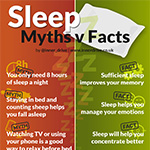
Sleep myths vs facts

Could a dawn simulation alarm get me up and running?
Managing mobile phone use
As we’ve said before, mobile phones are useful. The goal isn’t to stop using them completely, rather to avoid excessive use that can massively disrupt students’ lives. Having parents or teachers constantly telling them to put their phone away isn’t a sustainable, long-term strategy for students. Eventually, they need to be able to regulate their phone use themselves. Here are some of our favourite strategies to help your students or your child develop phone management skills:
Set aside phone-free time each day
Have a pre-determined period of time, every day, where students agree not to use their phone. One school in London has set up the Family Phone Pledge to encourage their students to do just that. This scheme involves both students and parents signing a contract in which they agree to not use their phone during mealtimes, charge them outside their bedrooms at night and have a completely phone-free weekend/holiday on a date of their choice. This is a simple but great way to introduce students to phone management skills and make them feel supported.
With persistence and support, students can get better at managing their mobile phone use.
Put your phone away
Sometimes, it can be as easy as keeping their phone out of sight when they need to focus. They could do this by giving it to a trusted adult who will look after it for a determined period time or until they have completed a specific task.
Limit notifications
Changing settings to choose what they are notified of and when, is a great way for students to be less tempted to check their phone. This way, they can avoid being distracted by Twitter or Instagram notifications, without fearing they might miss an urgent call. Using this strategy is beneficial in the long-term too, as this can help students get into the mindset that not all messages require immediate attention – if any at all.
Turn down the backlight
The light that phones emit stop students from feeling sleepy when the time to go to bed comes. Melatonin, the hormone that helps someone feel sleepy, gets released around 9pm. However, the bright, blue light from screens can interrupt its production. If students still feel alert in the lead up to bed, it’s likely they won’t fall asleep until later and therefore won’t get the recommended 8-10 hours of sleep.
In fact, research has shown that students who use their phone in the hour before bed are almost three times more likely to get less than five hours of sleep. Of course, not looking at a screen at all before sleeping would be ideal – but if that’s difficult, at least turning down the backlight and using a blue light filter app is a good start.
Tell your friends when you will be back online
This strategy can even get students to work together to reduce their phone use by agreeing not to contact each other for set periods of time. They can all focus on their work without receiving lots of notifications or having their friends worry about their lack of response.
Useful resources

5 ways to manage your phone better

Don't be a slave to your phone

7 tips to get smartphone use under control
Using mobile phones in a positive way
We’ve widely discussed the negative effects of mobile phones and how to use them less. However, at the end of the day, they are a useful tool.
This is why the key for students is in managing their phone effectively – when used in the right way and not in excess, they can be very beneficial. Here are some ways mobile phones can be useful for students:
Revision apps
There is a wide range of apps that students can use to prepare for exams.
One such app is Quizlet. It allows students to revise using pre-made questions or flashcards on specific topics. They can also create their own flashcards based on the lessons they received, which can then be shared with and used by other students. This type of revision facilitates the use of Retrieval Practice, one of the most efficient ways to study, which consists in recalling information often. This is how students can create stronger connections in their brains to help pass information onto their long-term memory.
Another key aspect of revision that apps can help with is organisation and planning. A great app for this is Get Revising, which allows students to create study timetables. This way, they will know exactly when and what they will revise. This allows them to prepare the resources they will need, but also to make sure they space out their revision instead of cramming it. With a clear plan, students know what to focus on for each revision session. This can help increase their motivation and remove some of the stress in the lead up to exams.
Mobile phones aren’t inherently bad. Excessive use, and the negative impact they can have on concentration and well-being is where the problem really lies.
Staying connected with loved ones
Keeping contact with friends and family, wherever they may be, is vital for revision. Students’ social life shouldn’t stop just because exams are coming up. For their well-being and to avoid burnout, they need connection, support and activities other than studying. Phones and social media can give them an easy way to plan their social life and events, as well as keeping in touch with people.
Apps to reduce phone use
Ironically, there are many apps that can help students use their phones less. For those just beginning to work on their phone management skills, this is a great solution. One of the most well-known of these apps is Hold, which attempts to try and reduce screen time by rewarding students with points for every 20 minutes they don’t look at their phone. They can then exchange these points for real-life prizes.
Useful resources

The best apps to help with revision

What are the best ways to revise?

Mobile phone addiction? It's time to take back control
FAQ
One of the most worrying impacts of excessive mobile phone use is a deterioration in well-being. It can increase stress and anxiety, whilst also lowering self-esteem.
Yes. Research has shown that students who use their phones during class attain lower grades. Phone use lowers concentration and reduces the chance that new information will be retained in long-term memory.
No, because the light it emits can trick the brain into thinking it is daytime and stop the production of melatonin, the sleep hormone. If you must use your phone before bed, at least turn down the brightness.
Change your phone settings to avoid your notifications distracting you, or even switch your phone off when you need to focus. If you lack the willpower for this, give it to someone you trust to look after for a set amount of time.
Further reading
We have published many blogs that can help students understand why their phone and electronics use can be detrimental to them – and how to reduce it. Here are a few of our favourites:
- Students: managing your mobile phone at night
- FOMO, stress and sleeplessness: are smartphones bad for students?
- Is technology the best solution for student learning?
- 5 ways students can better manage their gaming time
Our award-winning book Release Your Inner Drive includes, among many practical strategies for success at school, lots of tips for students to manage their mobile phone use.
We also run Mobile Phone Management workshops for students, where we can teach your students directly about the negative impacts of excessive phone use, and how to avoid them.
For further reading, we recommend:
- Some of our favourite articles from the Guardian exploring whether to use mobile phones in the classroom or not: ‘Should children be banned from using mobile phones in the classroom?’ and ‘A tool or a distraction? How UK schools’ approaches to mobile phones vary widely’.
- The Guardian also wrote a brilliant article with tips for students to reduce their mobile phone usage.
- For a wider view of the impact of mobile phones on academic performance, we suggest this paper.
- The Learning Scientists have great insight on the impact of mobile phones on student mental health.
The post Mobile Phone Management appeared first on InnerDrive Dev1.
]]>The post Sleep and Learning appeared first on InnerDrive Dev1.
]]>Sleep and better grades
Research has consistently shown a positive relationship between sleep and academic achievement. For example, one study which gave university students activity trackers to measure their sleeping habits found that the quality, duration, and consistency of sleep correlated with better grades.
Consistency is a particularly interesting one. In the above study, having a good quality sleep the night before a test made no difference to academic performance – the largest differences they found were when students had a good quality sleep throughout the week or month before a test.
The impact of sleep on grade improvement can be attributed to the role it plays in learning, memory, and other cognitive functions that we explore in greater detail within this guide. For students to reap the benefits of better grades and improved cognitive functions, it is crucial that they engage in all stages of the sleep cycle.
And after all, which student doesn’t want better grades? Especially if it requires them to do less and rest more?
Useful Resources

Why Sleep Quality, Duration and Consistency Matter

Sleep – A Powerful Revision Technique

Why healthy sleep is crucial for academic success
How sleep cycles facilitate learning
There are two cycles of sleep that repeat throughout the night one after the other: Rapid Eye Movement (REM) sleep and Non-Rapid Eye Movement (NREM) sleep
NREM comes first and has three stages:
- Stage 1 occurs when we are trying to sleep, but it would be easy for someone to wake us up.
- Stage 2 occurs when we enter a light sleep. Here, the brain produces waves called “spindles”, which are thought to play a role in memory and learning.
- Stage 3 is deep sleep. At this point, the brain produces very slow brain waves which allow the brain to recall any activity from the day.
The next cycle is REM sleep, which occurs after approximately an hour of sleep. Not only are we likely to experience vivid dreams at this point, but essential parts of the brain associated with learning are stimulated.
The brain also sorts out which information gets committed into long-term memory during both REM sleep and the deep sleep stage of NREM sleep. When REM sleep is cut short, this can impair long-term memory for students and in turn damage their capability to learn.
Useful Resources

Can Sleep Help You Learn? Here’s What Research Has to Say?

Strengthen Your Brain by Resting it

The Impact of Sleep on Learning and Memory
Sleep and memory
The cycles of sleep allow neurons in the brain to recover so that they can coordinate with each other. When students are sleep deprived, their neurons malfunction, which means that their cognitive functions cannot work properly.
A wide range of research, including research on sleep cycles, has shown that sleep plays a vital role in memory. It appears that combining sleep with spaced revision (a strategy which involves spreading out study sessions over a longer period of time ahead of an exam) can maximise this relationship.
Research findings suggest that students who use Spacing and then have a good quality sleep between study sessions have a better long-term memory of the content. In addition to this, students who have good-quality sleep between spaced study sessions need less study time than those who have poor-quality sleep between sessions.
This suggests that if students are going to make the effort to use highly effective studying strategies like Spacing (and they should), they may boost their results even further by having a productive sleep schedule, thus seeing major improvements in their memory.
Useful Resources

Spacing and Sleep: The Perfect Recipe for Revision?

15 Ways to Maximise Memory

The benefits of a good night’s sleep
Sleep and insight
Sleep has also been associated with better insightful thinking, another essential cognitive function for students. A notable example is when pharmacologist, Otto Loewi had a dream about an experiment that was essential to his Nobel Prize-winning theory that allowed us to better understand how nervous systems work.
But what does insightful thinking mean for students? It is when things finally ‘click’ in their minds and their understanding of content is more secure – otherwise known as an Aha! moment.
For example, one insightful study (no pun intended) gave participants a task with a hidden rule. After completing the task, they either slept at night, stayed awake during the night, or stayed awake for 8 more hours during the day. When these participants were retested, more than twice as many members of the first group figured out the rule compared to those who stayed awake.
So, sleep can give students a greater awareness of underlying rules and patterns that are less obvious. This allows them to better understand more complex concepts, spend less time getting frustrated at tricky tasks, and think more creatively.
Useful resources

How Sleep and Creative Thinking are Connected

How Sleep Makes Your Mind More Creative

Sleep and Learning
Sleep and attention
Another vital cognitive function impacted by sleep is attention, which probably comes as no surprise. A wealth of research has shown that alertness and attention decrease during sleep deprivation, so students end up struggling to focus when they don’t have enough sleep. Their ability for logical reasoning is also impaired when they are sleep deprived, as it is harder for them to pay attention to detail in order to link ideas together in a sensible way.
Attention is the first step to success, as it allows students to tune out any irrelevant information and focus on what they are learning about. When they concentrate on new learning material, they can process it in working memory and eventually memorise it. But if they can’t pay attention in class due to lack of sleep, then it is pretty much guaranteed that they won’t remember the information as they didn’t engage with it in the first place.
A fascinating experiment included secondary school students sleeping for only 5 hours a night for five days. Then they were given two days of “recovery sleep” where they could sleep for 10 hours. These students found it difficult to sustain attention and were sleepier than usual. Despite reporting less sleepiness after the recovery sleep, they still had attention deficits. Which bring us back to our earlier point: students need a consistently good sleep schedule rather than relying on the weekend for them to sleep in and “catch up on sleep”.
Useful Resources
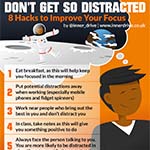
8 Hacks to Improve Your Focus

What Lack of Sleep Does to Your Mind

Effect of Sleep Deprivation on Attention and Mood
How sleep impacts emotions
Managing emotions is already a tricky task for students as their prefrontal cortex is still in development, and does not fully develop until they are 25 years old. This part of the brain plays a key role in emotional regulation and cognitive functioning. However, when students do not get enough sleep, this hinders their prefrontal cortex development and makes it even harder for them to control their emotions.
Recent research has demonstrated that lack of sleep leads to deficits in emotional processing. This explains why adolescents with poor sleep habits are more at risk for the development of anxiety, mood disorders, and behavioural issues.
This is of course about student well-being, but also more: when students are in a bad mood, their ability to acquire and retain new information is reduced, making it harder for them to learn. Therefore, sleep ensures that students are in the best frame of mind to achieve.
Useful Resources

Sleep and Mental Health

How sleep affects your emotions | Sleeping with Science, a TED series

When the going gets tough, have a nap
Sleep and stress
On the note of well-being, students often find it difficult to manage their stress levels, especially during exam season. Thankfully, sleep is a simple and effective way to reduce this stress.
Research in sleep deprivation shows a strong relationship between a lack of sleep and elevated stress levels in students. The hormone cortisol is associated with stress and increases alertness. A poor sleeping schedule can make someone’s levels of cortisol rise at times when they are supposed to be low, which may cause students to be hypervigilant at times when they should be relaxed.
But stress isn’t always a bad thing – in small amounts, it helps students stay engaged and keep complacency at bay. And unfortunately, sleep deprivation doesn’t just send cortisol levels up when they should be low – it also does the contrary, which isn’t as good as it sounds.
One study found that 24 hours of sleep deprivation can lead to reduced levels of cortisol the next morning, which is when they are supposed to be at their peak. The result was a lack of attention and alertness in the morning. As students have a strict school schedule to follow each day, it is essential that their cortisol levels are where they are supposed to be depending on the time of day.
Studies have also shown that stress reduces sleep quality, creating a vicious cycle that’s hard to escape. When students reduce their stress levels they can have better sleep, and good quality sleep helps to reduce their stress, making a consistent and positive sleep schedule all the more important.
Useful Resources

Students: Managing Your Mobile Phone at Night

6 Ways to Reduce Stress

Cortisol and Sleep – Your top questions answered to help you achieve healthy stress hormone levels
Busting five common sleep myths
So, to summarise everything we’ve said so far: from keeping stress levels where they should be to maximising the effect of study strategies, good sleep is paramount to students’ learning, well-being and performance.
So, why do they struggle with it so much?
One reason is that it can be easy to fall victim to false beliefs about sleep due to a lack of knowledge on how it really works. Unfortunately, there are many sleep myths to blame for our national sleep crisis. So, here are five of the most common sleep myths and what you should believe instead…
You can “catch up” on sleep on the weekends
Unfortunately, this is not the case. Even if students feel well-rested after sleeping in on the weekend, it can take much longer for them to fully recover from sleep deprivation. Research suggests that it can take up to four days of recovery sleep to account for just one hour of lost sleep.
Students can make positive long-term improvements by slowly increasing the number of hours of sleep they get per night. Encouraging students to keep a sleep diary can help them to do this, as they can monitor their sleeping habits to see where they could make positive changes. Here’s an example by the Sleep Foundation which only takes a couple of minutes to complete.
Students are choosing to stay up late and that’s why they don’t get enough sleep
It can be easy to blame students for staying up way past their bedtime, but changes in their biological systems can mean that they stay up later than they should. During puberty, teenagers experience a shift in their circadian rhythm, which is the body’s 24-hour clock controlling when we should sleep and wake up. This shift means that its harder for older students to go to sleep at an earlier time, and therefore make it harder for them to wake up early in the morning.
Naps make up for a loss of sleep
Naps are not inherently bad and can help give students a burst of energy if they’re feeling tired. However, they are not a long-term solution to sleep deprivation, so students should avoid relying on naps to make up for any hours of sleep that they’ve missed. It can also be tempting for students to nap for too long. So, it is best for students to prioritise positive sleeping behaviours instead of viewing napping as an alternative to a good night’s sleep.
The time you go to bed doesn’t matter if you’re getting enough sleep
This myth has everything to do with the body’s circadian rhythm, which is influenced by levels of light in the surroundings. Having a specific bedtime at night and waking up in the morning will help align the body’s 24-hour clock with the environment to ensure that students get a good quality sleep. This is why it’s best for students to avoid exposure to artificial light close to bedtime as this can shift the sleep cycle forward, leading students to go to bed later.
Plus, school starting at a certain time in the morning vastly limits the time students can realistically go to bed to get their 8 to 10 hours…
Hitting the snooze button helps you get extra minutes of good quality sleep
Although the snooze button feels like a great solution for getting those extra 5-10 minutes of sleep before starting the day, it is a harmful habit. Those extra few minutes of sleep aren’t the best quality, so it’s best to wake up rather than disrupting the sleep cycle.
Hitting snooze may also result in oversleeping, which is unproductive and can make students feel tired during the day.
Useful Resources

Does Starting School Later Lead to Better Grades?

CU Boulder Lack of Sleep Study

Sleep Health Foundation – Napping
Correcting common sleep mistakes
Although getting in enough hours is essential, having a good night’s sleep is more than just getting the recommended number of hours per night. Many students are unaware of how certain daytime and night-time behaviours impact their quality of sleep meaning that they incorporate poor sleep habits into their lifestyle.
Here are some examples of common sleep mistakes, with suggestions of how students can avoid these…
Pulling an all-nighter to study
Instead of staying up all night to cram revision, students will find it much more helpful to prioritise getting their recommended hours of sleep each night – especially during exam season. Research has shown that students who got at least 8 hours of sleep consistently throughout their exams outperformed those who didn’t.
Simply aiming to get their 8 hours leading up to their exams can do wonders for students’ results – much more than cramming can. On top of harming their sleep, cramming stresses students out and doesn’t actually allow them to learn and retain information, even if they think it works.
Napping close to bedtime
Although napping can sometimes be a helpful tool, if students nap too late in the day or in the evening, they’ll feel less tired when it is time for them to sleep. Then, they may have a greater urge to stay up later, which can disrupt their sleep schedule. Instead, if they must nap, they should aim to do so in the afternoon so that they actually feel tired when bedtime comes.
Being on the phone in bed
At night, the body releases the hormone melatonin to relax itself in preparation for sleeping. However, the blue light that is emitted from a phone disrupts the production of melatonin by tricking the brain into thinking that it is daytime, causing students to stay up later. The National Sleep Foundation recommends stopping phone usage at least 30 minutes before bedtime, so students can aim to follow this rule to help them sleep better. It may also be useful to use a red light filter in the evening, which is built-in on most phones these days.
An inconsistent sleep schedule
Going to bed at a different time each night can confuse students’ circadian rhythm, which controls when they sleep and wake up and reduce their sleep quantity and quality as a result. Instead, students should stick to a consistent schedule (yes, even on the weekends) so that they can reap the benefits of sleep.
Tossing and turning for too long
Sometimes, falling asleep is easier said than done. If students are finding it difficult to sleep, instead of tossing and turning, it is better for them to get out of bed and do something that will use some brain power. For example, doing a jigsaw puzzle or reading a book can be helpful if students aren’t sleeping within 20-30 minutes of putting their head on the pillow.
Drinking caffeinated drinks in the evening
Drinks such as tea, coffee and energy drinks increase alertness. Drinking these before bed will keep students awake at the time when they want to fall asleep. Since these usually take about 20 minutes to kick in, it’s best for students to drink these as early in the daytime as possible and in moderation.
Research has also shown that drinking caffeinated drinks up to 6 hours before bed can reduce sleep quality. Instead of relying on caffeine, students can incorporate light exercise into their routine to get an energy boost, which will improve their sleep quality instead of reduce it.
Useful Resources
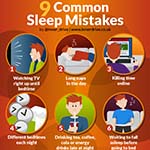
9 Common Sleep Mistakes

5 Common Mistakes to Avoid the Night Before an Exam

5 reasons why pulling an all-nighter is a bad idea
How parents can help
At the end of the day, it’s up to the students to make the necessary changes to their sleeping habits. But there are ways that parents and guardians, who are best placed to help them, can guide them along the way.
Incorporating good sleep hygiene in the household can help students improve their quality of sleep. Sleep hygiene refers to the positive habits and environmental changes that enhance sleep health. Practical strategies include limiting use of electric devices for the household in the evening, eating dinner a few hours before bedtime and dimming the lights in the house in the evening.
Ultimately, it’s all about creating routines and setting a good example.
Useful Resources

What Parents Need to Know About Sleep

The Best Two Gifts You Can Give Your Children

Helping Kids Get Enough Sleep: Tips to Share with Parents
How teachers can help
Teachers can help students to have good sleeping habits by educating them about sleep in the classroom.
Academic courses such as the Sleep Treatment and Education Program (STEPS) have had successful results. In this particular program, one group of university students were given a 30-minute oral presentation and handouts teaching them about the importance of sleep. Overall, students who did the program had improved sleep quality and sleep hygiene 6 weeks later compared to those who did not do the program.
So, giving students awareness of what sleep really means for them is a cost-effective way to help improve their habits over time. Therefore, teachers can educate younger, as well as older year groups so that they can develop productive sleeping habits well in advance of high-pressure exam seasons – with the help of this guide, hopefully!
Useful Resources

Sleep Recharges You: Educator Resources

How to Keep Classroom Sleepers Awake

‘We need to teach pupils the importance of sleep’
FAQs
This depends on their age. Younger students between 6-13 years-old are recommended 9-12 hours, and students who are 14 years old and above, the recommendation is 8-10 hours.
Apart from applying positive sleep hygiene habits, they could try various relaxation techniques to destress their bodies and minds. If they are consistently unable to fall asleep despite applying good sleep hygiene habits and doing relaxation techniques, they may need to consult their GP.
Some signs include a lack of energy, constantly feeling tired or irritable throughout the day, an inability to focus, difficulty staying awake during lessons, and reduced memory or attention.
It’s best for students to nap no more than once a day. If they nap multiple times a day, they’ll feel tired most of the day, which reduces their productivity. If students feel the urge to nap more than once a day, this may be a sign that they are sleep deprived.
Further Reading
We have published a range of blogs that can help students gain greater awareness of how to improve their quality of sleep, and how this can support their learning. Here are some of our favourites:
- Can Napping Help Learning?
- The Perfect Way to Wake Up
- Is it Really Just About Getting More Sleep for Students?
- Sleep Your Way to Success
- The Eight-Hour Sleep Challenge
Here are some extra resources that we recommend:
- Two books that give an in-depth, yet comprehensive, insight on sleep include Night School: Wake Up to the Power of Sleep by Richard Wiseman and Why We Sleep by Matthew Walker.
- The National Sleep Foundation have a variety of articles, including Healthy Sleep Tips, which give a wealth of advice on how to improve sleep quality.
The post Sleep and Learning appeared first on InnerDrive Dev1.
]]>